


The sequence
Grafting first, then the implant
A graft is a step before an implant, not an alternative to one. In some cases the two happen at the same visit.
Where the graft goes in first, the bone it adds needs 6 months before an implant can be placed into it.
A sinus lift and an implant can be done at the same visit, and a graft can be placed at the same visit as an extraction. Which of those applies to you is decided from the scan before any treatment starts.
We plan each case before any surgery. Most implant cases are planned on an in-house CBCT scan, which shows the bone volume and the position of the nerves and sinuses, and the plan is built in 3D from that scan.
What is involved
Three procedures, chosen from the scan
Which one your case needs is read from the CBCT scan and gone through with you at the consultation.
Socket preservation is done at the same visit as an extraction. Swelling afterwards is minimal.
Ridge augmentation builds up a ridge that has already shrunk. Expect noticeable swelling for 3 to 5 days.
A sinus lift adds bone in the upper jaw beneath the sinus. It can be done at the same visit as the implant, and swelling afterwards is minimal.
All three use your own bone, donor bone, or xenograft. Membranes are used as well, resorbable or non-resorbable depending on the procedure.
You choose the sedation, from all the options available. General anaesthetic is one of the options, under a permit issued by the Royal College of Dental Surgeons of Ontario. We go through them with you at the consultation.
Afterwards
What to expect after a graft
Recovery depends on which procedure you have had.
After socket preservation or a sinus lift, swelling is minimal.
After ridge augmentation, expect noticeable swelling for 3 to 5 days.
Most people take 2 to 3 days off work.
Dr. Alzohaili gives you instructions for your own case at the appointment, and you can ask him anything about the days that follow at the consultation.

Cases
Cases from the practice
Treatment carried out here, one patient at a time.
Case 01 · Full-arch
Failing teeth replaced with a fixed full arch.
Straumann BLX · Same-day placement
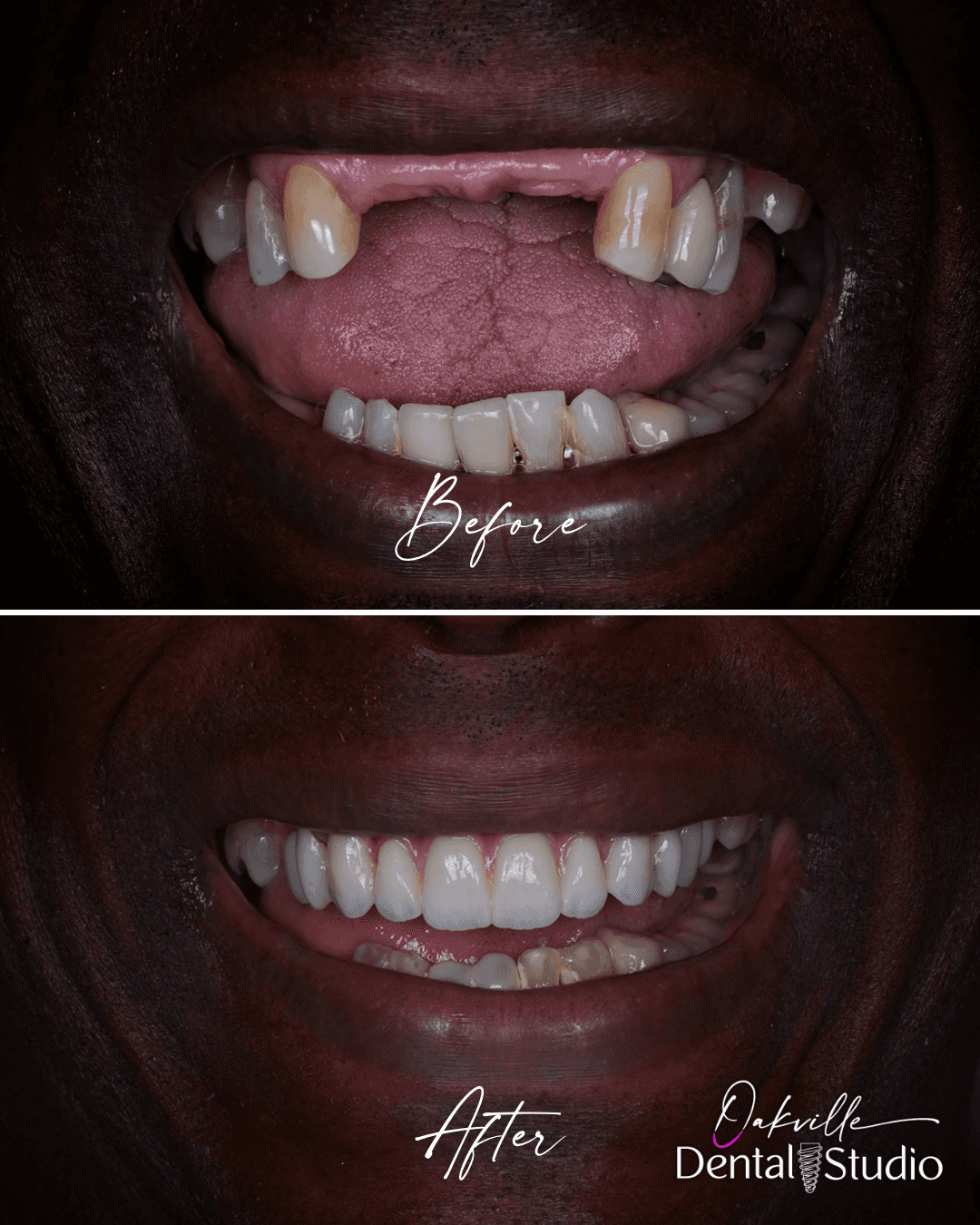
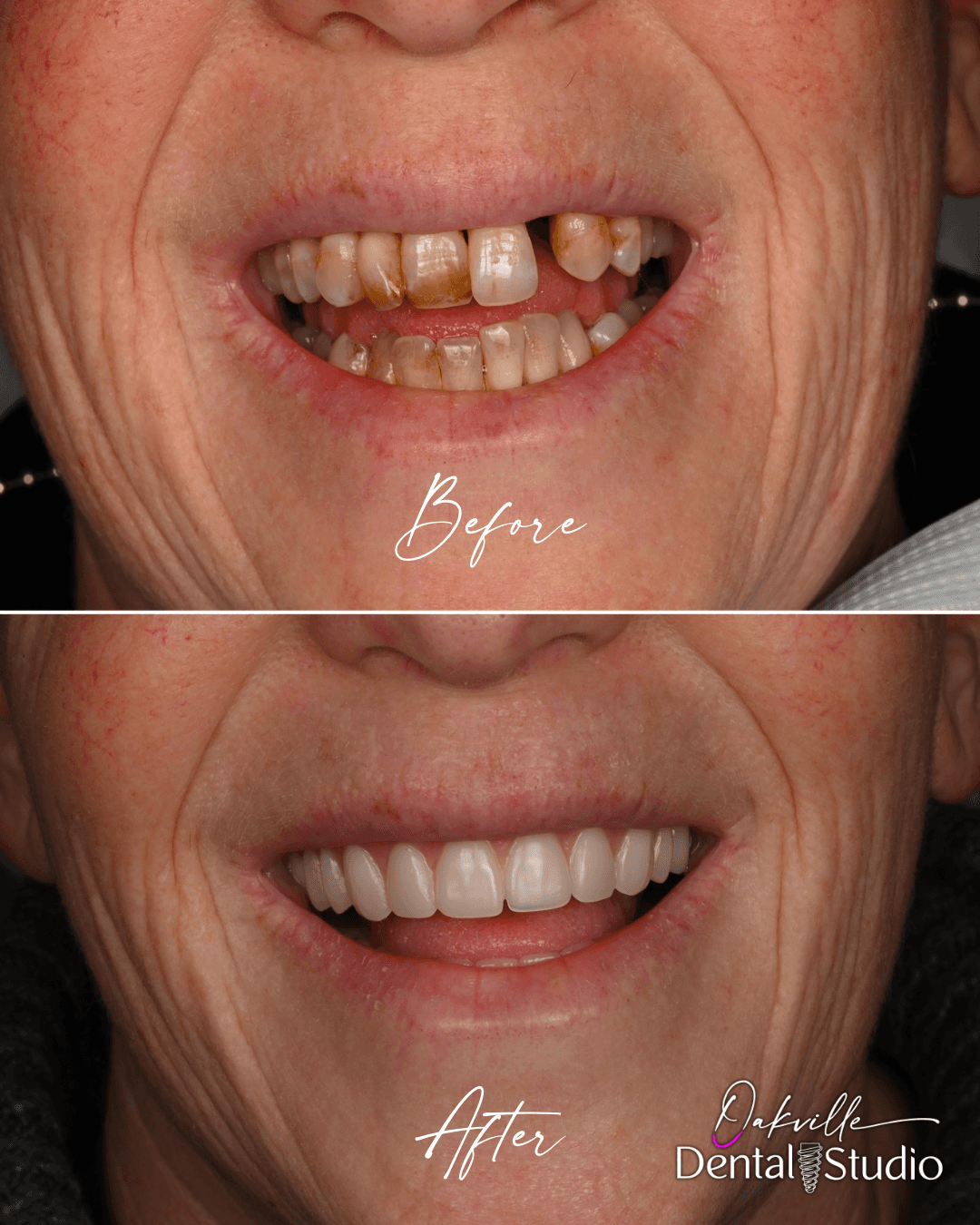
Case 02 · Upper front teeth
Missing upper front teeth restored with implants and veneers.
Implants and veneers · Planned digitally

Case 03 · Single front tooth
One missing front tooth replaced with a single implant.
Custom-shade zirconia crown · Guided placement
Each case is one patient’s treatment. Results vary from one patient to the next.
Questions
Common questions about bone grafting
If your question isn't here, ask at the consultation.
Being told elsewhere that there is not enough bone does not settle the question. Bone can be grafted, and the scan is what shows whether that applies in your case.
At the consultation Dr. Alzohaili examines your mouth and, for most implant cases, takes a CBCT scan. A CBCT scan is a 3D x-ray. It shows how much bone is there and where the nerves and the sinuses sit, which is what a plan can be built from.
Socket preservation, ridge augmentation and sinus lifts. Which one your case needs is decided from the scan.
Your own bone, donor bone, or xenograft, depending on the procedure and on what the scan shows. Membranes are used as well, resorbable or non-resorbable depending on the procedure.
The grafted bone needs 6 months before an implant can be placed into it. In the cases where a sinus lift and an implant are done at the same visit, the implant goes in during that appointment.
Yes. A sinus lift and an implant can be done at the same visit, and a graft can be placed at the same visit as an extraction. Which applies to your case is decided from the scan.
If a graft does not take, it is removed and redone a couple of months later.
After socket preservation or a sinus lift, swelling is minimal. After ridge augmentation, expect noticeable swelling for 3 to 5 days. Most people take 2 to 3 days off work. Dr. Alzohaili gives you instructions for your own case at the appointment.
Dr. Alzohaili provides a 3-year limited warranty on implants he places and on grafting. It is conditional on good oral hygiene, meaning brushing, flossing and regular dental cleanings, on avoiding smoking and excessive alcohol, and on attending regular check-ups so the implant can be monitored.
Yes. We accept referrals from other dentists, and we see patients who have been told elsewhere that an implant is not possible.
